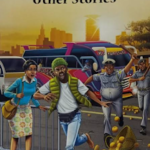
Urban life often exposes people’s indifference and moral decay. In Incident in the Park, Meja Mwangi paints a grim picture of city life where neglect, idleness, corruption, brutality, and injustice prevail. The story reveals that the urban environment breeds insensitivity, social decay, and lawlessness.
Neglect and poor maintenance are among the most glaring urban problems. The park, which should be a place of relaxation, is in a deplorable state. The ground is dry, dusty, and parched, with thirsty trees and brown grass. There is no sign of rain, and the park’s soil has collapsed. The government offices nearby, including City Hall and parliament, stand tall and modern, yet their occupants completely ignore the park’s miserable condition. Only a few flowers are watered to give an illusion of beauty. This shows the inefficiency and negligence of urban authorities who care more about appearances than genuine environmental care.
Idleness and lack of productivity also plague city life. The park is full of loafers who waste their days sleeping and lazing around. The city and parliament clocks strike to remind them of time wasted, but they ignore the warning and continue lying idle. Some even curse and turn away, showing defiance and hopelessness. Mwangi uses this imagery to highlight urban unemployment and moral decay, where people waste time instead of engaging in meaningful work.
Environmental degradation is another problem. The once-beautiful pond in the park is now choked with weeds. Colourless, invasive plants have replaced the bright lilies that once made the pond beautiful. The fish struggle to survive in murky, brown water. This situation reflects urban neglect and environmental pollution, worsened by the authorities’ failure to maintain public spaces.
Moral decay and cruelty are widespread in the city. The hairy loafer who feeds the fish violates park rules and throws rubbish into the pond, showing no sense of responsibility. His actions mirror the general lack of discipline and respect for public property common in urban areas.
Police brutality and corruption are also rampant. The constables arrest an old fruit seller simply because he lacks a licence. They ignore his pleas, his poverty, and his desperate attempt to bribe them with the little money he has. Instead of helping him, they remain heartless and insist on taking him to the cruel judge. This incident exposes abuse of power, lack of empathy, and corruption within urban law enforcement systems.
Mob justice and lawlessness further reveal the city’s moral collapse. When the old man runs to escape arrest, the crowd mistakes him for a thief and stones him to death without hesitation. No one shows compassion or tries to save him. This barbaric act shows how easily city dwellers resort to violence and how human life has lost its value in the urban jungle.
Finally, injustice and hypocrisy dominate urban institutions. After the old fruit seller is killed, the police try to shift blame. The crowd, feeling guilty, walks away silently. The inspector confirms the death but does nothing meaningful. People justify the killing by labelling the old man a thief simply because of his torn clothes. Even in death, the poor man finds no justice, reflecting urban indifference, prejudice, and failure of the justice system.
In conclusion, Meja Mwangi’s Incident in the Park reveals that urban life is riddled with problems. The city is portrayed as a place where humanity and compassion have been replaced by selfishness and cruelty, resulting in a decayed and uncaring society.