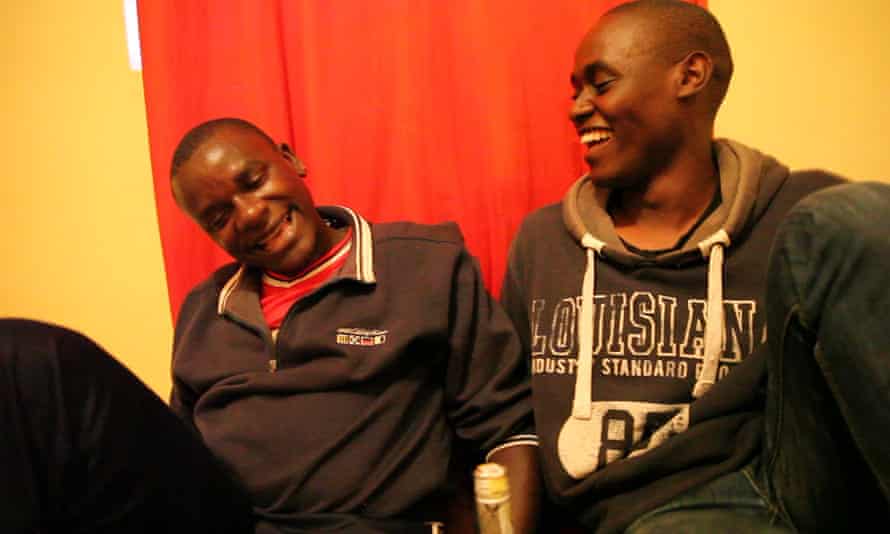
Filmed over five years, this documentary, directed by Peter Murimi, opens on a striking note that contrasts intimacy with cruelty. A date between Sam, the film’s subject, and his boyfriend Alex is juxtaposed with the brutal footage of a violent attack on one of Murimi’s own friends.
Witnessing the tender connection between the couple in a society where people in such relationships can undergo physical harm as well as legal punishment affirms the courageous, moving joy of queer love and the bravery of the men who participate in the documentary.
Having grown up in a small Kenyan village, Sam struggles with his sexuality until he moves to Nairobi, where he finds romance and acceptance. The bustling city might seem claustrophobic, with its rows of cramped apartments, yet introspective moments, captured by shots of laundry hung on balconies, gently rustling in the wind, offer breathing spaces.
- Using examples from John Lara’s The Samaritan, write an essay to show that having power does not protect a leader from facing the consequences of their bad actions, as seen through Bembe’s fate.
- A SILENT SONG ESSAY QUESTION – Children suffer when their parents treat them badly. Write an essay to support this statement basing your illustrations on The Sins of the Fathers.
- Mossi’s downfall proves that even powerful leaders cannot escape the result of their wrongdoing. Using illustrations from John Lara’s The Samaritan, write an essay to support this statement.
- People who use their position of power for personal gains suffer when their actions are exposed. Citing relevant illustrations from John Lara’s play The Samaritan, write an essay to support this statement.
- A SILENT SONG ESSAY QUESTION – Citing illustrations from Eric Ng’maryo’s Ivory Bangles, write a composition showing how established customs are difficult to change.
Back on the farm, Sam’s traditional, religious parents – his taciturn father is a Christian preacher – welcome Alex’s visits but still nudge their son to get married. The dynamic shifts when Sam finally comes out to his family.
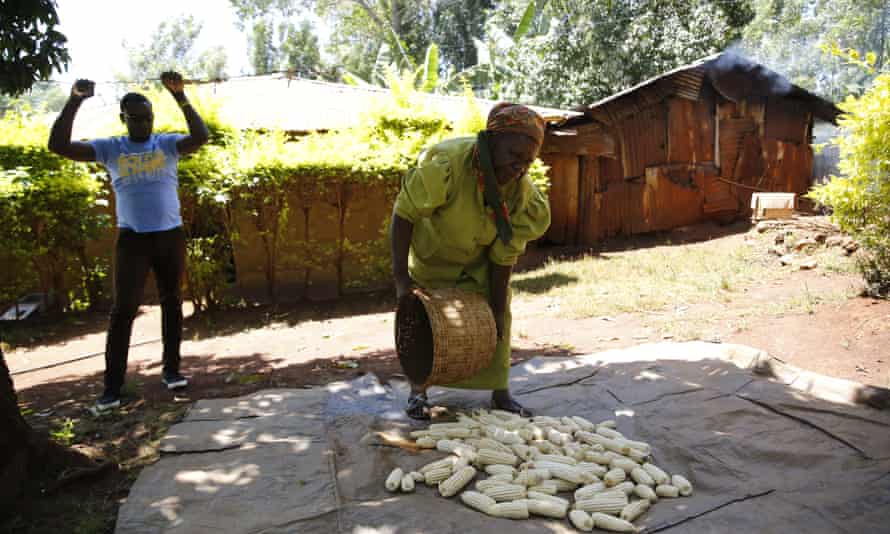
Sam is quiet on screen, so this film focuses on the rhythm of his private life: small gestures, such as when he kneads dough to make flatbreads or removes the kernels from his parents’ corn. This subdued approach poignantly conveys resilience; a harrowing attack aimed at Sam (and suffered by his roommate) is recalled by the victim in a matter-of-fact way.
The fact that Murimi doesn’t sensationalise acts of discrimination only emphasises how painfully commonplace violence is in Kenya, but also suggests how queer solidarity and support are a crucial part of that same reality. The film is perhaps over compact, but its ending is heartwarmingly optimistic.